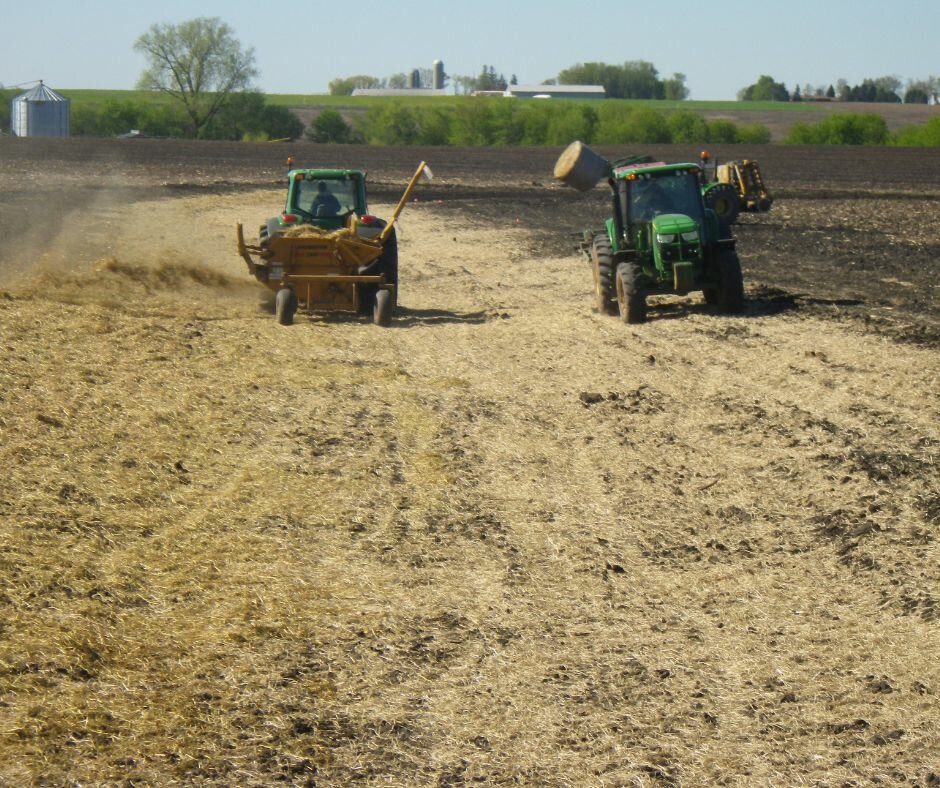

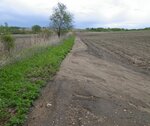


The construction crew has just pulled off-site, and you are left with an erosion control structure that will help conserve the soil on your land. The earthwork is all smooth, and there is a nice layer of mulch on it to protect the ground before the seed that was planted starts to grow. Before thinking you can just kick back and enjoy your erosion being fixed for the years to come, structures need care and maintenance to function throughout their whole life span.
The SWCD will check projects we fund every few years and let landowners know if any maintenance is needed, but we cannot be there to check constantly. It is encouraged for landowners to check their structures every year and after every large storm event, since weather is the biggest enemy to them.
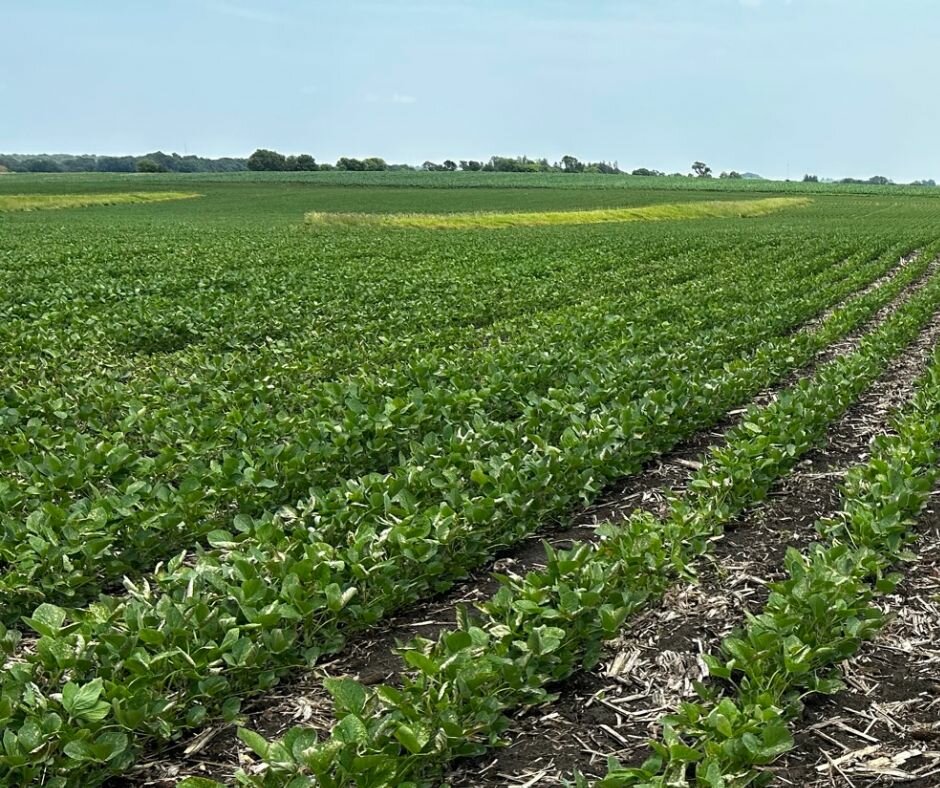
When checking your structure, there are a few things to look at. The first is vegetation. Sometimes vegetation can be missing from spots. This happens from erosion on the structure, herbicide being sprayed accidentally on the site, or seed not establishing due to weather conditions. If vegetation is missing, it is important to reseed the spots. Sometimes there is vegetation also present that shouldn’t be. Trees like to grow in waterways or on terraces, but the roots can affect the integrity of the structure and lead to failure. Trees can also shade out the good vegetation that is growing. If trees are on site, they should be removed immediately and treated to not grow back. Weeds are often found, and those should be spot-treated right away.
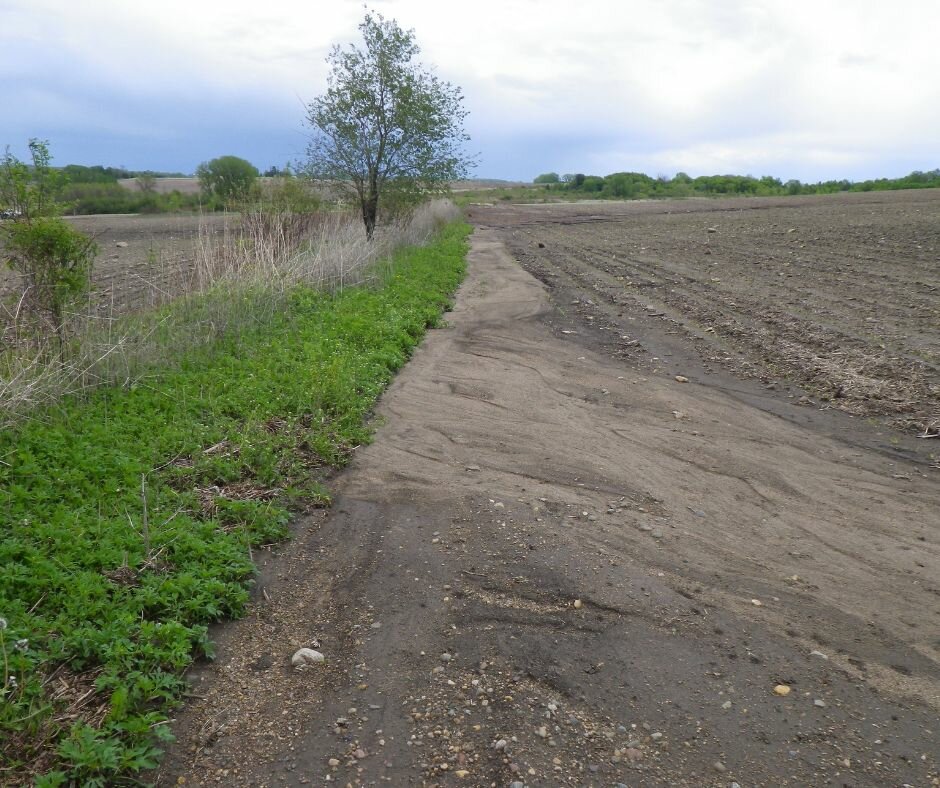
The next thing to look at is sediment. The purpose of erosion control structures is to stop the erosion, which means they are catching all the sediment. Over time, this sediment gets trapped in the structure, which is by design, but this also starts to reduce the capacity of water that the structure can control. If there were large storm events during the growing season, clean out of the structure after the growing season, if needed, is recommended. Push the dirt to somewhere that it won’t immediately fill in the structure at the next big rain event again.
Large storm events can knock out a part of the structure if the integrity was compromised. If this happens, it is important to fix it as soon as possible; otherwise, sometimes whole structures have to be redone. Terraces often have multiple structures along a field slope, and if one fails, the water may be too much for the others in the line and lead to further failures.
Implementing conservation tillage, such as no-till or strip till, as well as cover crops in the field, can have a huge impact on the function and longevity of an erosion control structure. These practices improve infiltration, anchor the soil, and decrease the amount of sediment that may fill the erosion control structure. Implementing these practices along with your erosion control structure is recommended.
If a site if funded through state or federal funds, staff will assist landowners with maintenance and operations that should be completed to ensure a properly maintained structure. Staff will also come on-site if landowners have questions, funded or not through our offices. The goal is to keep these structures maintained and looking and acting the same as they were when construction was completed for years to come. Funding is available for conservation tillage practices, cover crops, and erosion control structures. Contact our office today at 507-332-5408 to sign up.


